Kids are hard on clothes. This is not a complaint — it is a fact of childhood. Grass stains from the park, food spills at lunch, paint from art class, mysterious marks of unknown origin that appear between school drop-off and pick-up. If you have ever held up a once-white top and wondered how it aged ten years in ten days, you understand the challenge.
But here is the good news: with the right care habits, good quality kids' clothes can last significantly longer — through growth spurts, multiple washes, rough play, and even a second child. These eight tips are practical, tested, and do not require you to become a laundry scientist.
1. Wash Inside Out
This is the single easiest thing you can do to protect your child's clothes, and most people skip it. Turning garments inside out before washing protects the outer surface — the part people actually see — from friction, fading, and pilling.
The inside of the washing machine is not a gentle place. Buttons, zips, and embellishments from other garments rub against fabric with every rotation. When the outer surface is protected by being turned inward, the visible part of the garment stays brighter, smoother, and newer-looking for much longer.
This is especially important for printed tees, embroidered pieces, and any garment with surface decoration. Make it a habit at the laundry basket, not at the machine — teach your daughter to turn her clothes inside out when she takes them off, and the habit sticks for life.
2. Wash in Cold Water
Hot water fades colours, shrinks fabric, and wears out fibres faster. For kids' everyday clothing — cotton tees, dresses, leggings, shorts — cold water gets the job done perfectly well.
Modern detergents are formulated to work effectively in cold water. You are not sacrificing cleaning power by turning the temperature down. What you are gaining is clothes that hold their shape, retain their colour, and do not shrink to doll-size after three washes.
The exception: if your child has been ill, hot water is appropriate for bedsheets, towels, and undergarments to kill bacteria. For everything else, cold water — 30 degrees Celsius or below — is your default.
3. Skip the Dryer
In India, most of us dry clothes on a line or a drying rack, which is already better for fabric than machine drying. But if you do use a dryer (increasingly common in humid cities like Mumbai and Chennai), know that it is the fastest way to shrink, fade, and wear out kids' clothes.
The heat and tumbling action of a dryer breaks down fabric fibres over time. Cotton is especially vulnerable — it shrinks with heat and loses softness with repeated tumble drying.
Line-drying in shade (not direct sunlight, which fades colours) is the gentlest method. A well-ventilated indoor drying rack works perfectly in humid weather. If you must use a dryer, choose the lowest heat setting and remove clothes while slightly damp.
4. Treat Stains Immediately with Household Items
The golden rule of stain removal: the faster you act, the easier the stain comes out. A fresh stain is a minor problem; a dried, set stain is a major one. Keep a basic stain kit in your laundry area, and act within minutes when you spot a stain.
Quick Stain Solutions with What You Already Have
Food stains (dal, curry, tomato): Rinse immediately with cold water from the back of the fabric (pushing the stain out, not deeper in). Apply a paste of baking soda and water, let it sit for 30 minutes, then wash normally.
Grass stains: Rub white vinegar on the stain, let it sit for 15 minutes, then wash. For stubborn grass stains, a paste of baking soda and hydrogen peroxide works well.
Ink and marker: Dab (do not rub) with rubbing alcohol or hand sanitiser. Place a paper towel behind the stain to absorb the ink as it lifts out. Repeat until the stain fades, then wash.
Mud: Let it dry completely first (counterintuitive but effective). Once dry, brush off the dried mud, then soak in cold water with detergent for 30 minutes before washing.
Chocolate and ice cream: Scrape off excess, then soak in cold water (never hot — heat sets dairy and chocolate stains). Apply liquid detergent directly to the stain, work it in gently, then wash.
For organic cotton garments specifically, our guide on washing organic cotton covers stain removal methods that are safe for delicate natural fibres.
5. Store Properly
How you store clothes between wears and between seasons affects their longevity more than you might think.
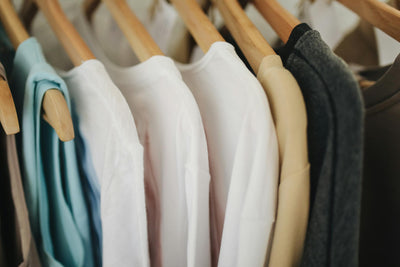
Everyday storage: Fold knitwear (hanging stretches it out) and hang woven garments (folding creates permanent creases). Use padded or wooden hangers for dresses — wire hangers distort shoulders over time.
Seasonal storage: When storing winter clothes through summer (or vice versa), wash everything first — stored stains become permanent. Use breathable cotton storage bags, not plastic ones (plastic traps moisture and encourages mould). Add a few neem leaves or dried lavender for natural moth prevention — they work and they smell lovely.
Drawer organisation: Do not overstuff drawers. Cramming clothes together causes wrinkles, and wrinkled clothes get ironed more often, which weakens fibres. Give each garment breathing room.
6. Reinforce Stress Points
Kids' clothes fail at predictable points: knee areas of trousers, button attachments, hem stitching, and elastic waistbands. A few minutes of preventive reinforcement can add months of life.
Buttons: When a garment is new, reinforce button stitching with a few extra stitches. Factory button attachment is often minimal, and a five-minute reinforcement prevents the annoying moment when a button pops off at school.
Knees: For trousers and leggings, iron-on knee patches (applied on the inside) prevent holes before they happen. This is especially valuable for crawlers and active toddlers.
Hems: Check hems periodically. A loose hem thread left alone will unravel further. A quick hand stitch at the first sign of loosening saves the garment.
Elastic: When elastic starts loosening, replace it before the garment becomes unwearable. A local tailor can replace waistband elastic for Rs. 30-50, extending the garment's life by months.
7. Quality Over Quantity
This is a buying tip rather than a care tip, but it is the foundation of everything else on this list. Well-made clothes last longer with less effort. Poorly made clothes fall apart regardless of how carefully you care for them.
Five quality pieces that last 12-18 months cost the same (or less) than fifteen cheap pieces that last 3-4 months each. The math works out, and the environmental impact is significantly smaller.
When evaluating quality, check: seam stitching (should be even and tight), fabric weight (heavier cotton is more durable), colour fastness (rub the fabric — does colour transfer?), and button/closure quality.
For a deeper dive into making smart buying decisions on a budget, check our guide on building a kids' wardrobe on a budget.
8. Prepare for Hand-Me-Downs
If you have a younger child, a niece, or a friend's daughter who might wear these clothes next, caring for them with that future life in mind extends their total value enormously.
Remove stains promptly — set stains are permanent; fresh stains are temporary.
Repair damage early — a small tear mended now is invisible; the same tear left to grow becomes unrepairable.
Store outgrown clothes properly — wash, fold, and store in breathable bags organised by size. Label the bags clearly (a piece of masking tape with the size written on it works perfectly).
Keep occasion wear pristine — dresses worn once for a wedding or festival have the most hand-me-down potential. Store them with extra care.
In India, passing clothes down is a beautiful tradition, and well-maintained garments can serve two or even three children. That initial investment in a quality piece pays dividends across your family and community.
The Bigger Picture
Caring for clothes is not just about saving money (though it does that brilliantly). It is about teaching your daughter to value what she has, respect the craftsmanship in her clothing, and understand that things worth having are things worth taking care of. These are small lessons now that become big values later.
And practically speaking, kids' clothes that last longer mean less shopping, less waste, and more time and money for the things that really matter — like the park, the art supplies, and the ice cream that will inevitably stain the shirt you just washed.